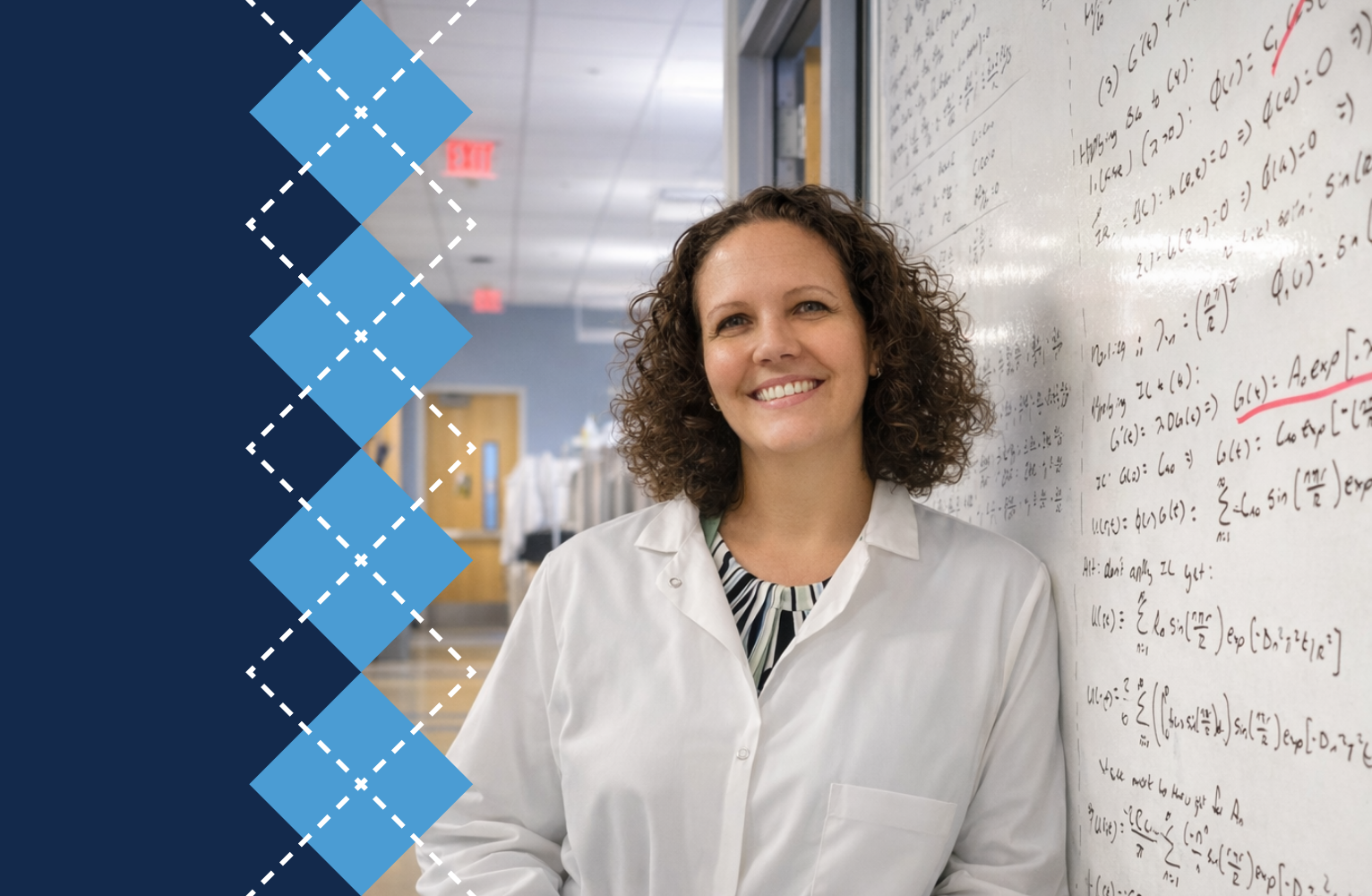
Richard Saver, Arch T. Allen Distinguished Professor in the UNC School of Law, discusses the risks and complex regulatory challenges around new neural implant devices, such as Elon Musk’s Neuralink.
Richard Saver specializes in healthcare law, and much of his research has focused on the testing and regulatory approval of new medical technologies.
Perhaps no medical technology poses more complex regulatory challenges today than neural implants. These technologies stimulate or inhibit neurons and have been on the market for decades in devices such as cochlear implants and brain shunts to treat severe depression. A new wave of neural implants, referred to as comprehensive brain-computer interfaces, are now entering widespread early-stage testing and differ from the first wave of devices in that they seek to translate human thought into action.
If the brain-computer interface works according to plan, these technologies will allow patients to do things like control a robotic arm or operate a computer with their thoughts. Saver’s research has examined the unique risks these devices pose and why they are difficult to regulate.
What are the main regulatory gaps around the development of new wave neural implant devices?
SAVER: Longer-term, atypical risks are of particular concern with implants that regulate sensitive neural functions over lengthy periods. These brain-computer interfaces can impact not just physical health but participants’ personality, perception, cognition, sense of identity and emotional well-being. The Food and Drug Administration approval process does not generate a lot of information about the long-term risks of these devices, and the required clinical trials are necessarily time-limited. That puts a lot of pressure on the FDA’s post-approval regulatory tools to monitor for these longer-term risks, and there are concerns that FDA post-approval surveillance is not well designed to capture the necessary information. Moreover, it is often not feasible to reverse course for the participant after an implant, even after hazards become apparent, as explantation can be more dangerous than implantation.
Another concerning regulatory gap is in the informed consent process. Beyond the typical danger of physical harm from surgery or post-surgical infection, these devices present atypical and often intangible risks that are very hard to describe. These risks include long-term changes in personality or cognition, as well as abandonment. Abandonment occurs when the manufacturer, because of business reasons or unfavorable early clinical trial results, decides to no longer support maintenance and upkeep of the implant. This means participants may end up with a device implanted in their brain that they can no longer effectively use. These risks are very hard for patients, who are desperately seeking relief from serious afflictions, to fully understand.
How do these regulatory gaps pose risks to clinical trial participants?
SAVER: One of the most notorious examples of a neural implant trial participant being abandoned involved a woman named Rita Leggett, who received an experimental neural implant from a company, NeuroVista, to treat severe epilepsy and epileptic seizures. The implant seemed to work well, but NeuroVista went bankrupt during her clinical trial. Leggett wanted to continue using the implant, but the company was no longer able to continue the clinical trial or support maintenance of the device. She and her husband made a claim on the company requesting the intellectual rights to be able to access the software and update the technology if they could find another medical team willing to help them, but NeuroVista refused, and she ultimately had to have an explant to remove the device from her brain.
Because of these abandonment hazards, there needs to be more robust post-trial planning, before these investigations begin, that includes identifying the potential post-trial needs of participants and allocating a budget to deliver that support. And these discussions shouldn’t only include the manufacturer and healthcare team, they need to include health insurers and patients too, so that everyone’s on the same page.
An additional complication is unrealistic patient expectations due to boosterism and concerning hype about this technology, focusing on dramatic benefits that are not yet feasible and skirting over discussion of very clear, upfront risks. With Elon Musk’s company, Neuralink, for example, there are concerns around inflated and unsupported claims being made by someone with a very powerful platform to influence public opinion. Musk has also abandoned the scientific norm of sharing early clinical trial results through published papers and at scientific meetings and instead shares information via his social media platform X, posting things like, “Initial results show promising neuron spike detection,” about the first Neuralink implant patient, without disclosing that the patient also experienced dangerous neural thread migration that almost required removal of the implant.
What’s the best path forward with neural implant regulation?
SAVER: Neural implants have the potential to greatly improve quality of life for many people, and we should be careful not to single them out as the only medical technology that presents regulatory challenges or asks patients to make difficult medical trade-offs. But, the brain is a special organ that serves as the repository of everything that makes us who we are, so it makes sense to proceed cautiously. Incremental, tailored regulation represents the best path forward for improving the testing, approval and clinical use of this important technology.
As told to Audrey Smith
Photo courtesy of UNC School of Law
Distinguished professorships support renowned scholars and propel research at Carolina. These privately funded endowments help attract and retain the academic leaders of today, ensuring a state-of-the-art education for all Tar Heels.
Related Stories